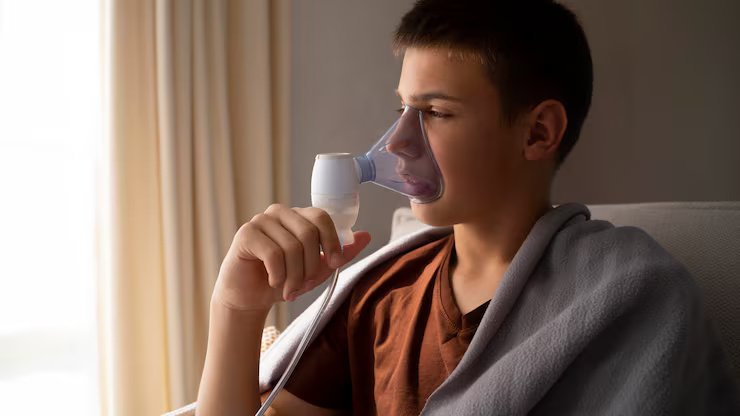
Respiratory problems can affect breathing, sleep, physical activity and overall quality of life. Symptoms may range from occasional coughing and congestion to persistent breathing difficulties.
Proper evaluation, timely medical attention and appropriate management can help address respiratory concerns and support better lung health.
The respiratory system helps deliver oxygen to the body and remove carbon dioxide. Problems affecting the lungs or airways can make normal breathing more difficult.
Respiratory concerns may include cough, wheezing, breathlessness, chest congestion or repeated respiratory infections.
Identifying persistent or recurring symptoms early can help in choosing appropriate evaluation and management.
Persistent or recurring breathing-related symptoms should be evaluated appropriately.
A cough that persists or keeps returning may require appropriate medical evaluation.
Difficulty breathing or unusual shortness of breath should not be ignored.
A whistling sound while breathing can be associated with airway-related problems.
Unusual chest discomfort accompanied by breathing problems may need medical assessment.
Appropriate care and healthy habits can support better respiratory health.
Persistent or recurring respiratory symptoms should be properly evaluated.
Avoiding tobacco smoke and other respiratory irritants can support lung health.
Reducing exposure to dust, smoke and other environmental irritants can be beneficial.
Appropriate physical activity can support overall fitness and respiratory well-being.
Follow prescribed treatment and medical advice for ongoing respiratory conditions.
Follow-up appointments can help monitor symptoms and response to treatment.