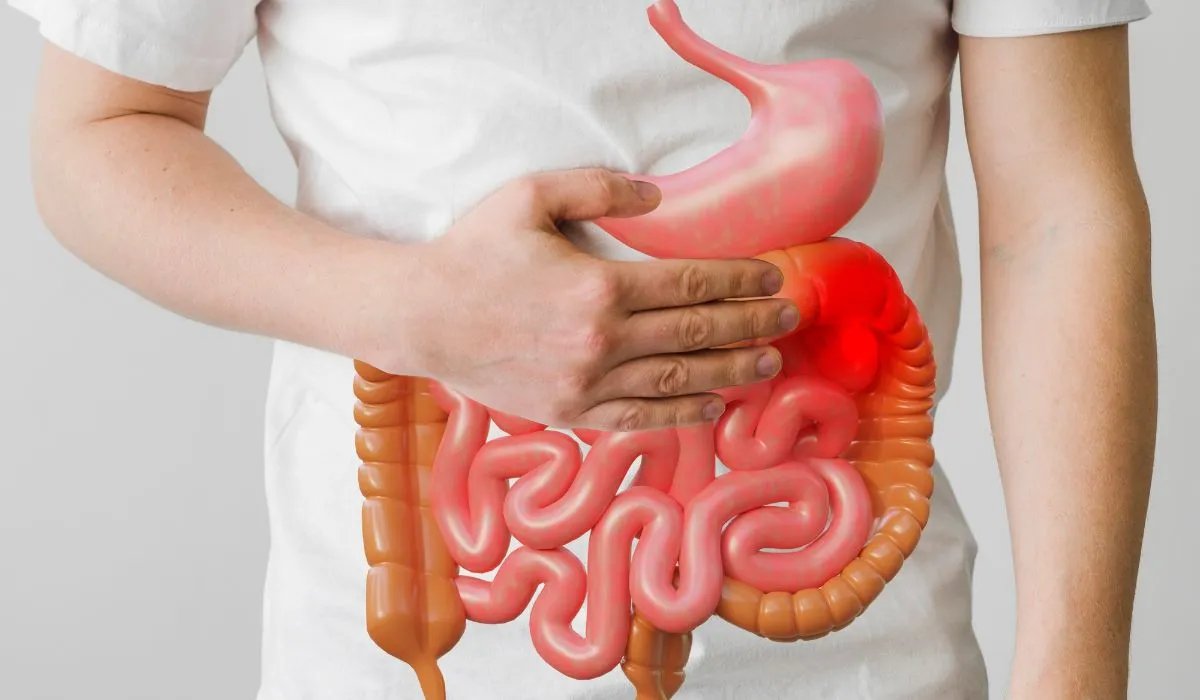

Gastric disorders can affect the digestive system and may cause symptoms such as acidity, indigestion, bloating, abdominal discomfort and changes in bowel habits.
Understanding the underlying cause of digestive symptoms and following appropriate medical guidance can help improve digestive health and overall well-being.
Gastric problems may develop due to dietary habits, irregular meals, stress, certain medications or other digestive conditions. Symptoms can range from occasional discomfort to persistent digestive issues.
Acidity and indigestion may cause burning sensations, fullness, belching or discomfort after meals. Bloating and abdominal discomfort can also occur with different digestive conditions.
Persistent or recurring symptoms should be evaluated by a healthcare professional to understand their underlying cause and determine appropriate care.
Common digestive symptoms should not be ignored when they become frequent or persistent.
A burning sensation or discomfort in the upper abdomen or chest may occur with acidity.
Feeling unusually full, bloated or uncomfortable after eating may indicate indigestion.
Excessive fullness or abdominal bloating can be associated with digestive disturbances.
Recurrent abdominal discomfort may require appropriate medical evaluation.
Healthy habits and appropriate medical guidance can help support better digestive health.
Choose a balanced diet and include nutritious foods that support healthy digestion.
Maintaining regular meal timings may help support comfortable digestion.
Adequate fluid intake is an important part of maintaining overall digestive health.
Identify and limit foods or habits that appear to worsen your digestive symptoms.
Regular activity, adequate rest and stress management can support digestive well-being.
Persistent or recurring gastric symptoms should be discussed with a healthcare professional.