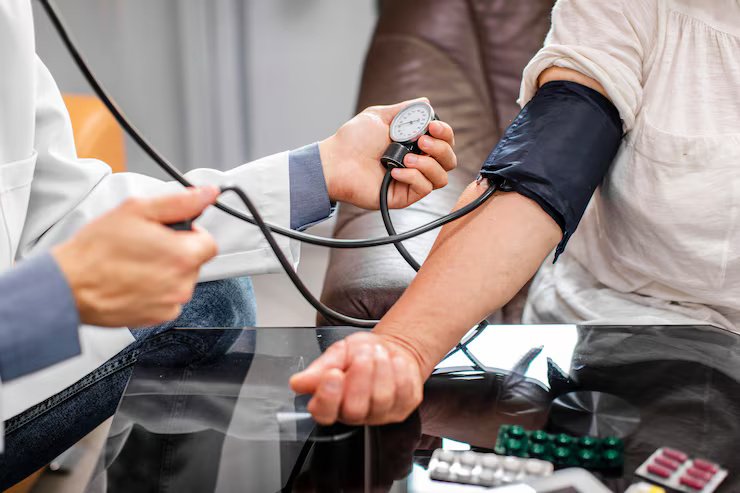
Blood pressure is an important indicator of overall cardiovascular health. When blood pressure remains higher than recommended levels over time, it may increase the risk of serious health problems.
Proper evaluation, regular monitoring, healthy lifestyle choices and appropriate medical care can help in maintaining healthy blood pressure levels.
Blood pressure is the force of blood pushing against the walls of your arteries as your heart pumps blood through the body.
High blood pressure may not always cause noticeable symptoms, which is why regular blood pressure checks are an important part of preventive healthcare.
Monitoring blood pressure and addressing factors such as diet, physical activity, stress, weight and other health conditions can support better cardiovascular health.
Regular monitoring is important because high blood pressure may not always produce obvious symptoms.
Repeatedly elevated blood pressure readings should be discussed with a healthcare professional.
Some people may experience headaches, although high blood pressure often has no noticeable symptoms.
Long-term blood pressure control is an important part of maintaining cardiovascular health.
Keeping track of blood pressure can help identify changes and support timely medical care.
Prioritize preventive care and regular check-ups for better long-term health.
Regular blood pressure checks can help identify changes and track your health over time.
When prescribed, taking blood pressure medicines as directed is an important part of treatment.
A balanced diet and appropriate dietary choices can support healthy blood pressure levels.
Regular appropriate physical activity can support cardiovascular fitness and overall health.
Healthy ways of managing stress can contribute to overall cardiovascular well-being.
Routine medical check-ups support preventive care and long-term blood pressure management.